EU Logistics Impact on Supply Chains: Challenges, Risks and Solutions

Editorial Manager
- What Does EU Logistics Mean for Supply Chains in Practice?
- How Does EU Logistics Affect Supply Chains?
- The Main Supply Chain Challenges in Europe
- Which EU Regulations Affect Logistics and Supply Chains?
- Why Supply Chain Transparency and Digitalization Matter More in EU Logistics
- Which Solutions Help Companies Build More Stable EU Supply Chains?
- What Companies Should Review Now
- How Shipping Software Can Improve Visibility Across EU Supply Chains
- Checklist: How Companies Can Make EU Logistics More Resilient
- Conclusion: EU Logistics as a Strategic Factor in Stable Supply Chains
- FAQ on EU Logistics and European Supply Chains
The impact of EU logistics on supply chains extends far beyond moving goods. Transport networks, available capacity, customs procedures, regulation, and shipping data determine how reliably companies can plan.
EU logistics can make supply chains more stable, but it also places greater demands on compliance, documentation, visibility, and carrier management. Its impact depends on the route, product type, mode of transport, and countries of origin and destination.
Processes within the EU single market differ from those that apply to imports from or exports to non-EU countries; meanwhile, regulatory obligations vary depending on the company and the specific flow of goods. Digitalization and multi-carrier strategies reduce risk, but they cannot prevent strikes, geopolitical conflicts, or infrastructure bottlenecks. EU logistics and supply chains must therefore be planned together because transportation decisions affect inventory, service levels, and costs.
Core supply chain management activities include inventory planning, service levels, and risk control. In European supply chains, these areas are shaped by transport networks, cross-border processes, regulation, and logistics data.
What Does EU Logistics Mean for Supply Chains in Practice?
EU logistics covers transportation, transshipment, warehousing, fulfillment, cross-border shipping, documentation, customs, tracking, returns, and data exchange between online stores, ERP systems, warehouses, and carriers. For effective EU supply chain management, the key question is whether transit times, costs, and exceptions are measurable and whether viable alternatives exist for critical routes.
From Transport Processes to Supply Chain Control
The impact of logistics on supply chains begins before a shipment is dispatched: uncertain transit times increase safety stock, fluctuating capacity complicates planning, and missing status data delays decisions and customer communication.
Logistics therefore has a direct effect on:
- inventory and procurement;
- service levels and compliance with agreed SLAs;
- cash flow and tied-up capital;
- delivery performance and customer experience;
- returns, claims, and escalations.
Well-managed European logistics cannot completely prevent supply chain disruptions. It can, however, help companies identify exceptions earlier, limit their impact, and respond faster.
Why the EU Single Market Can Still Create Friction
The EU single market facilitates the movement of goods, but it does not eliminate all operational differences. Public holidays, driving restrictions, toll systems, low-emission zones, infrastructure, and regional carrier networks affect transit times and costs. Dangerous goods, food, medical devices, and excise goods require specialized processes.
How Does EU Logistics Affect Supply Chains?
The following overview shows the main areas of impact, typical risks, and practical countermeasures.
| Area of impact | Effect on the supply chain | Typical risk | Practical response |
| Delivery times | Planning and service levels depend on transport stability | Delays, bottlenecks | Tracking, realistic time buffers, carrier diversification |
| Transport costs | Costs vary by route, capacity, service, and energy prices | Margin pressure, unclear total costs | Route and service comparison, shipping rules, cost analysis |
| Customs and documentation | Data and document quality affect clearance and lead time | Missing or incorrect information | Standardized data and documentation processes |
| Regulation and compliance | Obligations and evidence must be assessed case by case | Incorrect assumptions about scope | Legal review, clear responsibilities |
| Infrastructure | Roads, railways, ports, and corridors determine stability | Congestion, diversions, capacity problems | Alternative routes, multimodal options |
| Digitalization | Available data determines predictability and response speed | Lack of visibility | Shipment tracking, consistent status data, system integration |
| Sustainability | Emissions and ESG data increasingly influence decisions | Missing evidence, inconsistent data | Better data quality, reporting, and lower-emission options |
Problems rarely occur in isolation: a late pickup can tie up warehouse capacity, jeopardize downstream connections, and trigger express shipping costs. In a European logistics supply chain, transportation operations must therefore be closely coordinated with business planning. Freight rates matter, but so do the effects on inventory, service levels, and total costs.
The Main Supply Chain Challenges in Europe
Supply chain challenges in Europe rarely originate in a single place. Capacity bottlenecks, national operating conditions, external disruptions, and dependence on individual corridors interact. Companies should therefore assess how resilient their routes, carrier structures, and fallback options really are.
Delivery Times, Transport Costs and Capacity Bottlenecks
Delivery times in European logistics depend on more than distance. Pickup windows, transshipment points, hub utilization, regional networks, seasonal peaks, and available capacity all affect delivery times.
Even a fast service can become unreliable when networks are heavily utilized. Transport costs in European logistics rise when companies must switch at short notice to express services, alternative carriers, or longer routes. Additional costs may arise from storage, production downtime, or replacement deliveries.
To assess delivery performance and costs reliably, companies need meaningful logistics KPIs. For European goods flows, transit times, surcharges, and exceptions should be comparable by route, country, carrier, and service.
Border Processes, Customs and Documentation
As a rule, there are no internal customs duties between EU Member States. Non-Union goods released for free circulation acquire Union status and can generally move freely within the EU customs territory. Imports, exports, transit procedures, and goods without Union status may, however, require customs declarations, inspections, and supporting documentation.
A single uniform process does not govern customs in EU logistics. The requirements for a standard intra-EU shipment differ from those for an import from Asia, an export to the United Kingdom, or a route through a third country. Cross-border logistics in the EU must account for these differences during order and shipment planning.
Delays involving customs and documentation in the supply chain often result from inconsistent master data, imprecise goods descriptions, missing origin information, or incorrect values. Companies should define:
- who is responsible for product, customs, and recipient data;
- which documents are required for each route and product type;
- whether the online store, ERP, warehouse, and shipping system use the same data;
- how incomplete or conflicting information is identified before handoff.
The shipping documents required for the transport of goods depend on the product type, mode of transport, route, and customs status. Palletized goods flows also require attention to the specific requirements of customs clearance for international pallet shipping.
Strikes, Disruptions and Geopolitical Risks
Strikes at ports or in the rail, air, and road freight sectors can disrupt entire corridors, while geopolitical tensions can alter routes and capacity. EU supply chain resilience therefore depends on identifying critical goods flows and defining backup carriers, alternative handoff points, and escalation rules in advance.
Multimodal Logistics and Alternative Routes
Road freight is flexible, but it is not the best option for every route or type of disruption. Rail, inland waterways, short-sea services, air freight, and combined transport can add capacity or bypass congested corridors.
Multimodal solutions improve resilience only when handoffs, transit times, responsibilities, and data flows are clearly defined. For EU supply chain resilience, what matters is not the number of theoretical options, but whether they can be integrated into operations.
Which EU Regulations Affect Logistics and Supply Chains?
EU logistics regulation covers transport data, documentation obligations, due diligence requirements, product safety, sustainability, and emissions reporting. Its scope depends on company size, location, turnover, product type, and role in the supply chain; each case still requires an individual legal assessment.
CSDDD and Supply Chain Due Diligence
The Corporate Sustainability Due Diligence Directive (CSDDD), often referred to as the EU Supply Chain Due Diligence Directive, sets out human rights and environmental due diligence requirements. Following the 2026 amendments, its scope primarily covers very large companies: EU companies with an average of more than 5,000 employees and a worldwide net turnover of more than €1.5 billion, as well as certain non-EU companies generating more than €1.5 billion in net turnover in the EU. SMEs are not directly in scope, although they may be affected indirectly.
Member States must transpose the rules by July 26, 2028, and the national measures are generally scheduled to apply from July 26, 2029. For CSDDD-related logistics processes, covered companies need clear responsibilities, a risk-based approach, and reliable information on relevant parts of their chains of activities. Not every shipping record is automatically a legally required document.
The German Supply Chain Due Diligence Act in the European Context
Germany's Supply Chain Due Diligence Act (Lieferkettensorgfaltspflichtengesetz, LkSG) generally applies to companies that employ at least 1,000 people in Germany. It requires, among other measures, risk management, regular risk analyses, preventive and remedial measures, a complaints procedure, and documentation of compliance.
Suppliers and carriers do not automatically become directly subject to the Act. Companies in scope may nevertheless request information and supporting documentation. When addressing EU supply chain due diligence in logistics, companies should distinguish between statutory duties, contractual requirements, and voluntary requests.
As of September 2026, the planned amendment to the LkSG had not yet entered into force. The legislative process was still ongoing, and no entry-into-force date had been announced. Companies should therefore not anticipate the proposed relief measures.
eFTI, Digital Evidence and Data Requirements
The eFTI Regulation creates a common framework for electronic freight transport information in road, rail, and air transport, as well as inland navigation. From July 9, 2027, authorities must accept electronic information that companies submit in accordance with the rules through certified eFTI platforms. It does not create a general requirement to submit all freight information exclusively in electronic form.
Using eFTI in logistics requires structured, machine-readable transport data, controlled access rights, and interoperable systems. The regulation does not solve every documentation problem, but it can reduce manual handoffs and format inconsistencies when companies exchange supporting documentation with authorities.
Sustainability, ESG and Emissions Data
Sustainability requirements affect tenders, carrier selection, and modes of transport. Companies should define which emissions data they need, identify the relevant sources and calculation methods, and assess whether data from different carriers is comparable. Data gaps and assumptions should be documented transparently.
Why Supply Chain Transparency and Digitalization Matter More in EU Logistics
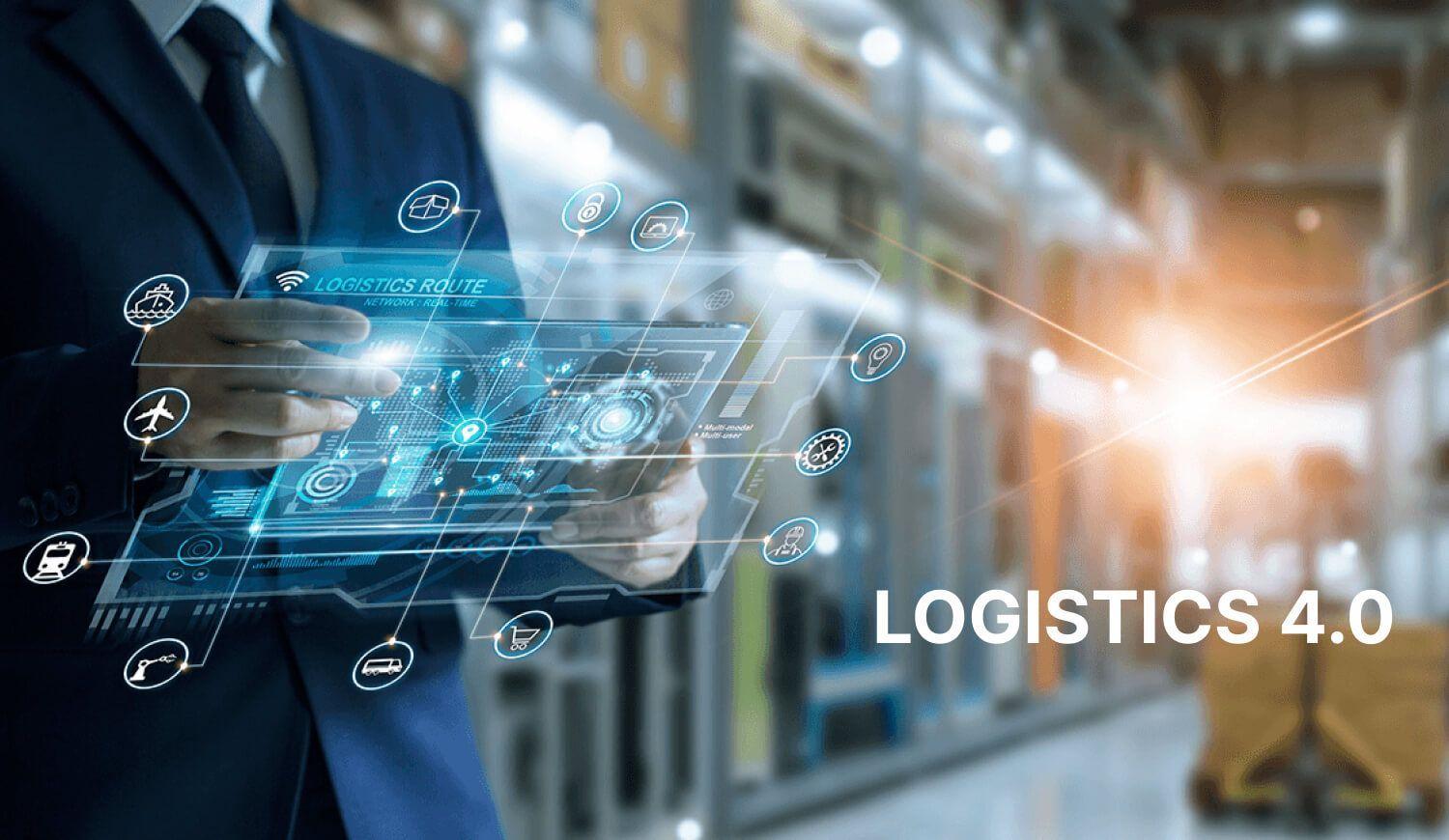
Digital technologies are changing transportation planning, data exchange, and process control. This interaction is often described as Logistics 4.0. For EU supply chains, the key question is whether data on orders, carriers, routes, costs, status events, and returns are connected.
Shipment Tracking and Visibility
Centralized shipment tracking helps teams identify exceptions earlier, inform customers proactively, and assess the impact on downstream processes. This turns shipment tracking across the supply chain into a management tool rather than a basic status service.
The status “in transit” is not enough. Useful events include pickup, arrival at a hub, delays, failed delivery attempts, and returns. Escalation and communication rules can then be linked to those events.
Structured Logistics Data for Better Decisions
A consistent data foundation brings together information on shipments, carriers, services, transit times, costs, status events, and returns. It helps answer questions that often remain unresolved across separate systems:
- Which European routes regularly experience delays?
- Which carrier actually meets promised transit times?
- Which services generate frequent surcharges?
- Where do returns or failed deliveries occur repeatedly?
- Which exceptions require the most manual handling?
This visibility supports more realistic service-level targets, better-informed carrier selection, and targeted improvements. It is a core component of supply chain digitalization.
Standardized Labels, Documents and Workflows
Manual data transfer between the online store, ERP, warehouse, and carrier increases the risk of errors. Consistent data fields, validated shipping rules, and automatically generated shipping labels reduce manual handoffs and duplicate work.
Standardization does not mean treating every shipment in the same way. Effective workflows vary according to country, product type, weight, service, carrier, and documentation needs while applying clear, auditable rules to recurring decisions.
Which Solutions Help Companies Build More Stable EU Supply Chains?
More stable EU supply chains cannot be achieved through a single measure. They depend on a combination of carrier diversification, transparent shipping data, standardized processes, and viable fallback options. The table shows typical risks, suitable responses, and the resulting supply chain benefits.
| Challenge | Possible solution | Supply chain benefit |
| Dependence on one carrier | Multi-carrier strategy | Greater flexibility across routes, prices, and capacity |
| Unclear delivery times | Tracking and consistent status data | Better planning and earlier response to delays |
| Manual shipping processes | Automated label and document generation with rule-based shipping | Fewer errors and faster processing |
| Volatile transport costs | Carrier and service comparison | Better cost control |
| Disruptions on individual routes | Alternative carriers and routes | Lower disruption risk |
| Missing process data | Structured logistics data | Better analysis and optimization |
| Complex cross-border processes | Standardized, route-specific workflows | Less friction in operations |
| Rising sustainability requirements | Improved data quality and clear reporting rules | Greater transparency in internal and external documentation |
These measures should be implemented as interconnected components of a resilient logistics strategy.
Multi-Carrier Strategy and Carrier Diversification
Dependence on a single shipping provider increases risk during capacity shortages, regional disruptions, or system outages. Multi-carrier logistics creates alternatives, but it requires clear rules for when each option should be used.
For European supply chains, multi-carrier shipping is relevant when companies need to reduce dependence on individual providers or transport networks. A second carrier provides a reliable fallback only if it can serve the relevant route and product type with the required capacity and service level.
Companies should therefore compare shipping carriers and define a standard option, a lower-cost alternative, and a contingency option for each critical route. Relevant criteria include price, actual transit time, pickup reliability, network coverage, and tracking quality.
Automating Shipping Processes
Shipping automation can select carriers and services according to rules, generate labels and documents, and feed tracking and returns data into connected systems. This makes decisions repeatable and exceptions visible, although rules and master data still require regular review.
Warehouse, ERP and Fulfillment Integration
Multiple systems are typically involved from order placement through delivery. Without proper integration of shipping processes, information gaps can emerge: the warehouse does not know which service was selected, the ERP receives shipping costs late, or the online store displays an outdated shipment status.
A shipping API can connect e-commerce, ERP, and warehouse systems to multiple shipping providers and automate data exchange. For EU-wide logistics processes, route- and country-specific rules must be configured consistently across all connected systems.
What Companies Should Review Now
Before connecting new carriers, implementing new systems, or defining fallback routes, companies should assess their supply chains. The focus should be on dependencies, data gaps, and whether contingency and escalation processes work in practice during disruptions.
Assess Risks in Existing Supply Chains
The analysis should start with the most important goods flows. Assess routes based on their revenue impact, operational criticality, transit time, disruption history, and available alternatives. Pay particular attention to dependencies on individual carriers and central hubs, as well as to goods for which delays create high additional costs. This helps reveal the main supply chain challenges in Europe at an early stage.
Identify Data and Process Gaps
Check whether status events, actual transit times, late pickups, failed deliveries, carrier performance, and route-level costs are available. A data gap also exists when information cannot be linked because order, shipment, or carrier references are missing.
Build Resilience and Contingency Plans
For critical routes, alternative carriers, services, service levels, escalation stages, and decision-making authority should be defined in advance. A contingency plan clarifies which shipments are affected, which alternative has been approved, and who informs customers, partners, and internal teams.
How Shipping Software Can Improve Visibility Across EU Supply Chains
Shipping software for the supply chain links operational execution to process control by bringing together data on carriers, labels, tracking, costs, and returns. A shipping platform such as Shipstage can connect multiple carriers through a central interface, consolidate status data, and standardize workflows; the company remains responsible for master data, compliance, and contingency planning.
Carriers, Labels, Tracking and Returns in the Supply Chain
Centrally managed carriers and consistent shipping rules improve comparability. Standardized labels reduce the risk of administrative errors. Tracking makes exceptions visible, while returns data can reveal problems with delivery, packaging, product data, or address quality.
The value lies in connecting these data points. Shipping software can therefore improve supply chain transparency and support EU supply chain management without replacing a full SCM system.
Where Standardized Shipping Processes Can Reduce Risk
Standardized workflows are particularly effective for high shipping volumes, multiple sales channels, or recurring cross-border shipments. They reduce the need for manual decision-making, while captured and categorized exceptions can be used to refine the shipping rules.
Checklist: How Companies Can Make EU Logistics More Resilient
- Which routes are especially critical for revenue, production, or customers?
- Where do delays or additional costs occur regularly?
- Is the business dependent on individual carriers, hubs, or countries?
- Are alternative carriers and routes operationally viable and pre-approved?
- Can actual delivery times and carrier performance be measured?
- Are shipping labels, master data, and documents standardized?
- Are transparent tracking and event data available?
- Are customs and documentation processes defined by route and product type?
- Have relevant compliance requirements been reviewed by the appropriate specialists?
- Can transport costs, including surcharges, be analyzed by route, carrier, and service?
- Are returns processes integrated into logistics workflows and data flows?
- Are tested contingency plans in place for strikes, bottlenecks, and other disruptions?
Conclusion: EU Logistics as a Strategic Factor in Stable Supply Chains
The impact of EU logistics on supply chains can be seen in delivery times, costs, infrastructure, customs, regulation, data quality, and responsiveness. Companies that manage EU logistics and supply chains separately may overlook the interactions between routes, carrier performance, costs, and service levels. External risks remain, but their impact can be limited through visibility, standardized processes, and reduced dependence on individual carriers.
Stable supply chains in the EU require multi-carrier structures, clear customs and documentation processes, supply chain digitalization, structured logistics data, and robust contingency plans. Shipstage can support shipment visibility, carrier management, and standardized shipping workflows.
FAQ on EU Logistics and European Supply Chains
How Does EU Logistics Affect Delivery Times in Europe?
EU logistics affects delivery times at every stage, from pickup and transshipment through transport corridors to the last mile. Network utilization, seasonal peaks, and carrier reliability can all cause variation. Companies should therefore measure actual transit times by route and service.
Why Do Transport Costs Rise in Cross-Border Logistics?
Additional handoffs, longer routes, surcharges, and documentation requirements increase costs. During capacity shortages, the use of express services, alternative routes, or backup carriers may become more expensive; customs duties and taxes may also apply in trade with non-EU countries. For cross-border logistics in the EU, companies should therefore calculate costs by route, product type, carrier, and service.
What Role Do Customs and Documentation Play in EU Supply Chains?
As a rule, there are no internal customs duties within the EU customs territory. Imports, exports, transit procedures, or goods without Union status may still require customs declarations and supporting documentation. Accurate goods data and clear responsibilities help prevent delays.
Which Companies Are Affected by Supply Chain Due Diligence Rules?
Germany's LkSG generally applies to companies that employ at least 1,000 people in Germany, while the revised CSDDD primarily covers very large companies. Smaller businesses may be affected indirectly through information requests. Specific obligations should be assessed against the current legal framework and the company's circumstances.
How Does Digitalization Improve Supply Chain Visibility?
Digitalization connects data on orders, shipping, status events, costs, and returns, making exceptions visible earlier. The data must be structured and available across systems. A dashboard alone does not create supply chain transparency when information is incomplete or contradictory.
What Are the Benefits of a Multi-Carrier Strategy in B2B Shipping?
A multi-carrier strategy reduces dependence on a single shipping provider and creates options during capacity shortages. Alternative carriers must be able to serve the relevant route and product type while meeting the required service level in practice. Clear selection rules and measurable carrier performance remain essential.
How Can Companies Reduce Risks from Strikes and Capacity Bottlenecks?
For critical routes, companies should identify and pre-approve backup carriers, define alternative transport routes, and build in realistic time buffers. Clear escalation rules, responsibilities, and tracking data support a faster response. A contingency plan is reliable only when the alternatives have been tested in advance.
Why Do Sustainability Requirements Matter for Logistics Teams?
Sustainability requirements affect tenders, carrier selection, modes of transport, and reporting. Logistics teams need traceable data on distance, weight, mode of transport, and emissions. Methods and data sources should be documented transparently.
How Does Shipment Tracking Help Manage the Supply Chain?
Shipment tracking provides visibility into shipment status and highlights exceptions. Defined status events enable proactive customer communication and internal adjustments. Historical data supports the analysis of delivery performance and recurring disruptions.
Which Measures Are Especially Important for B2B E-Commerce and Retailers?
Reliable master data, standardized labels, and integrated processes across online stores, ERP systems, warehouses, and shipping platforms are essential. Carriers should be evaluated based on both price and route-level performance. Critical goods flows also require transparent data, alternatives, and clear contingency processes.