Route Optimization in Logistics: How to Save Time and Money

Content Writer
- What does route optimization mean, and why is it important?
- How does route optimization work in logistics?
- Specialized route planning and route optimization
- Advantages of Route Optimization
- Methods for Route Optimization
- Steps for effective route optimization
- Examples of route optimization
- Software for route optimization
- Free route planners for route optimization
- Conclusion: Specialized route planning and route optimization
- FAQ
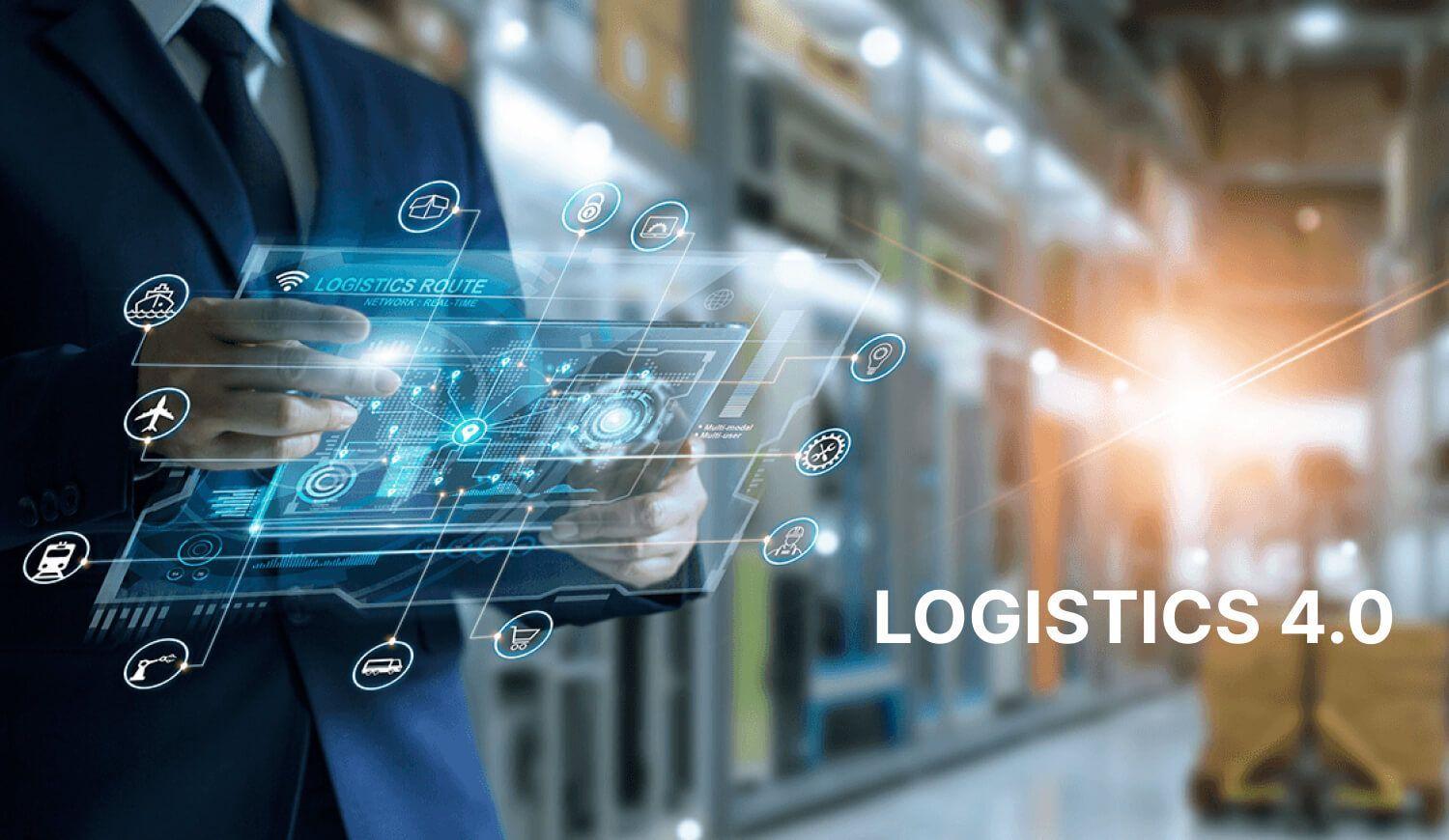
To optimize your logistics, the most effective method is to organize your logistics routes. A novel concept that is causing a shift in the way logistics is carried out is known as route optimization. Whenever a company is looking to enhance its logistics, it is essential for them to select the appropriate software for route optimization.
Every company that has drivers on the road who are required to make a significant number of stops daily can benefit from route optimization.
The process of optimizing routes involves accepting orders from customers and analyzing the available resources, road network, and operating restrictions to determine the optimal combination of routes and stops that will allow the firm to achieve its objectives.
What exactly is meant by the term "route optimization"? Sometimes the meaning of the word is unclear, and it can have various connotations depending on who you ask. Through providing a concise summary of the mathematics that underpins it and demonstrating how it can be used in the real world, especially how it impacts sustainability, the purpose of this guide is to eradicate any confusion that may have arisen.
An example of this would be the use of basic optimization to determine the most effective method of delivering client orders at the lowest possible cost or to guarantee that all orders are fulfilled regardless of the cost. A strategy that is more balanced and can be modified to the company's customer service and financial plans is required for complex optimization when it is performed.
In addition to this, we will discuss the issues that accompany conventional route optimization and the ways in which intelligent route optimization may assist in resolving these issues.
What does route optimization mean, and why is it important?
The process of determining the most efficient means of transporting individuals, products, or services from one location to another is referred to as route optimization. To save both time and money, this method considers factors such as factors such as traffic, distances, and special limits. If you want to get the most out of your route planning, you should make use of the appropriate software or algorithms.
The objective of route optimization is to integrate client orders into a route that matches the company's goals in the most efficient manner possible, considering the resources that are available, the road network, and the limits that are imposed by operations.
One example of basic route optimization is the pursuit of the lowest feasible delivery costs or the greatest possible order fulfillment, regardless of the expenses involved. The process of optimizing complex routes requires a balanced approach and can be modified to meet the particular customer service and financial objectives of the firm. If there are insufficient drivers, this may include giving precedence to the orders that generate the highest profits, or it may mean considering the manner in which consumers want their items delivered while maintaining a low cost.
How effectively the route optimization results match business goals is also impacted by the quantity of variables that are included in the process as well as the manner in which those factors are utilized. Some of these factors include the size of the vehicle, the cost and suitability of the product, the skills of the driver, the limitations of the road network, the requirements of the customer regarding the delivery window, and the limitations on the goods that are being delivered (for example, the need for refrigeration or the inability to share transport for certain goods).
How does route optimization work in logistics?
Route optimization is a way to figure out the best and cheapest way to move things from one place to another. If you use route optimization and planning software the right way, you can make sure that your mobile workers spend less time driving. This will help your business run more smoothly and be better for the environment.
The main reason to use route optimization software is to increase the value of your fleet's vehicles. When planning a route for logistics, route planning software looks at things like traffic, delivery windows, truck capacity, and what the customer wants. It helps companies find the best routes and places to stop along the way.
Specialized route planning and route optimization
Planning a route well is more than just drawing a line on a map. It's a changing process that considers things like delivery windows, driver hours-of-service rules, and real-world factors like traffic jams and road closures. Imagine a fleet manager who needs to deliver 18 pallets to five different warehouses before noon. Without specialized software, they would have to spend hours manually switching between spreadsheets and GPS apps, often missing the best order. Automatic route optimization takes care of that problem automatically, processing data in seconds to find routes that stay within weight limits, avoid bridges with low clearance, and cut down on empty runs.
But it doesn't work for everyone. Each business model needs its own unique set of strategies. A refrigerated-food supplier who has to keep temperature-sensitive loads balanced needs a different approach than a courier service that is racing against the clock. You can set your own priorities on modern platforms, like the fastest arrival, the shortest distance, or the lowest carbon footprint. The algorithm will then come up with a plan that meets your needs.
Truck Route
Planning for heavy goods vehicles (HGVs) means obeying a unique set of constraints. Weight restrictions, low bridges, and legal driving hours all come into play. A typical example: a 16-meter trailer carrying construction materials can’t simply follow a standard highway path through a residential neighborhood since municipal bylaws prohibit vehicles over a certain weight on those roads. Route optimization systems incorporate detailed truck profiles, automatically excluding routes with weight- or height-restricted bridges and calculating realistic travel times based on vehicle size and speed limits.
A Route with Several Stops
Multi-stop deliveries are disasters waiting to happen if left to chance. Picture a florist doing same-day deliveries to ten homes across downtown on Mother’s Day. Traffic lights, one-way streets, and parking restrictions all slow progress. A robust route optimizer sequences the drop-offs to minimize left turns, reduce time circling for parking, and cluster stops, so the driver covers each neighborhood only once. The result: more bouquets delivered before the end of the day and less stress for everyone involved.
The Route for Long-Distance Traffic
When the next waypoint isn’t just across town but across provinces, the stakes go up. Fuel consumption, driver rest periods, and overnight parking must be factored in. A long-distance fuel truck requires more than simply tracking distance. It needs optimal refueling points, dedicated driver rest stops, and contingency plans for events. Advanced route planning tools integrate real-time weather feeds and road closure alerts, dynamically rerouting trucks around wildfires, snowstorms, or washouts to ensure shipments arrive safely and on schedule.
Urgent Deliveries
Sometimes, a part fails on a production line, or a critical medical sample must reach the lab within hours. In these urgent cases, minutes can mean millions. Route optimization platforms offer “hot-route” modes that prioritize speed above all else, often pulling drivers from planned schedules to handle emergencies. Combined with live traffic data and AI-driven predictive analytics, dispatchers can see the fastest available driver-distance combination and get rolling within seconds.
Deliveries in Urban Areas
Downtown cores present a labyrinth of challenges: limited parking zones, congestion charges, frequent roadworks, and pedestrian-only streets. Route optimization solutions designed for urban environments integrate detailed GIS layers: Everything from curbside loading zones to rush-hour traffic patterns. For instance, a food delivery startup in a large city can plan routes that avoid peak tram hours and ensure drivers access back alleys where parking is allowed, shaving off precious minutes during the lunchtime rush.
Dangerous Goods
Transporting hazardous materials introduces rigorous safety and compliance requirements. Routes must avoid tunnels, densely populated areas, or environmentally sensitive zones. Permits may restrict travel to certain hours, and emergency response plans must be in place. For instance, a chemical supplier moving corrosive liquids relies on route optimization that flags every legally restricted corridor, schedules mandatory safety checks, and ensures the nearest hazmat team is on standby should the unlikely occur.
Seasonal Changes in Demand
Seasonality shifts delivery patterns dramatically. From spring planting supply runs to holiday e-commerce surges, a system that treats every day the same will underperform. Route optimization platforms adapt on the fly, learning from historical data and integrating demand forecasts. A garden center might see a 300% spike in soil and fertilizer shipments come May; the optimizer pre-allocates vehicles and suggests incremental route changes, for example shorter chains of stops closer to nurseries, to handle that influx with minimal delay.
Advantages of Route Optimization
Route optimization isn’t just a buzzword; it delivers tangible benefits that ripple through every level of operations. Companies save on fuel and maintenance, drivers spend less time idling in traffic, and customers receive their orders faster and more reliably. Over time, those improvements compound reducing overhead, boosting reputation, and even delivering environmental gains through lower emissions.
Less Maintenance Costs
Imagine a delivery van constantly taking bumpy back roads to avoid congestion. Suspension components wear out faster, and unplanned downtime spikes. An optimized route keeps vehicles on well-maintained streets, avoids pothole-laden shortcuts, and profiles allowable axle loads. This translates into fewer garage visits, extended tire life, and a maintenance budget that stays predictable instead of ballooning unexpectedly.
Less Fuel Costs
Fuel often represents the single largest line item in a fleet’s operating budget. A mere 5% reduction in mileage can lead to significant savings per vehicle each year. By minimizing idle time in traffic, limiting unnecessary detours, and ensuring each kilometer driven generates revenue, route optimization slashes fuel consumption. For a truck idling an hour less daily, the annual savings can rival the cost of the optimization software itself.
Customer Satisfaction
On-time delivery is the new baseline expectation. When dispatchers can confidently tell a customer, “Your package will arrive between 2:15 and 2:30 PM,” trust builds. Real-time tracking updates, powered by precise, optimized routes, allow customers to adjust schedules and reduce missed drop-offs. Over time, that reliability fosters repeat business and positive word-of-mouth, a benefit that simply can’t be overstated.
Safety for Drivers
Road safety improves when routes avoid high-risk zones, which could be accident-prone intersections or poorly lit back roads. Intelligent systems can factor in accident statistics, weather forecasts, and driver fatigue by scheduling mandatory breaks. Drivers feel less pressure to “beat the clock,” reducing the temptation to speed or skip rest, which in turn lowers accident rates and insurance premiums.
Tracking in Real Time
The power to adjust on the fly separates modern logistics from the old-school binders-and-radios approach. Real-time GPS integration lets dispatchers see every vehicle’s location against the optimized plan. If a sudden road closure pops up or an unplanned urgent request lands, the system recalculates on demand, rerouting drivers immediately. That fluidity not only minimizes disruptions but also provides managers with data to continually refine future schedules.
Route optimization, when done right, becomes the backbone of efficient, scalable, and resilient logistics operations. It weaves together data, software intelligence, and human expertise, transforming a fleet from a collection of vehicles into a finely tuned delivery orchestra.
Methods for Route Optimization
Route optimization leverages algorithms and software to determine the most efficient routes, significantly reducing travel time, distance, and costs. These methods generally fall into two main categories: algorithmic techniques and practical strategies. Algorithmic techniques include fundamental approaches like the Dijkstra and A* shortest path algorithms, as well as more complex challenges like the Vehicle Routing Problem (VRP). Practical strategies, on the other hand, incorporate real-world factors such as dynamic routing and time window optimization.
Algorithmic Techniques
These methods form the mathematical core of optimization of routes:
- Shortest Path Algorithms
Dijkstra's and A* are fundamental algorithms used to identify the shortest path between two points within a network, typically represented as a graph. - Vehicle Routing Problem (VRP)
The VRP is a complex optimization problem focused on determining optimal routes for a fleet of vehicles delivering to multiple locations. Solving it requires considering numerous constraints, such as delivery time windows and vehicle capacity. Various approaches address the VRP, including classical methods like Clarke-Wright savings and metaheuristics such as genetic algorithms and ant colony optimization. - Mathematical Modeling
Route optimization heavily relies on mathematical models to define the problem and its constraints, enabling algorithms to evaluate numerous options and identify the most effective solution.
Practical Strategies
These strategies integrate real-world variables and operational needs to refine route planning.
Key Strategies Include:
- Dynamic Routing: adjusting routes in real-time based on factors like live traffic, accidents, or newly added orders.
- Time Window Optimization: ensuring deliveries occur precisely within customer-requested timeframes, crucial for businesses with strict schedules.
- Multi-Stop Optimization: determining the most efficient sequence of stops on a route to minimize travel time and avoid backtracking, particularly for routes with multiple deliveries.
- Vehicle Capacity Maximization: optimizing how vehicles are loaded to ensure maximum utilization and reduce the total number of required trips.
- Driver Preferences & Skills: considering drivers' experience, skills, and preferences when assigning routes to enhance efficiency and job satisfaction.
- Real-time Data Integration: utilizing GPS tracking, telematics, and live traffic data to make informed decisions and modify routes on the fly.
- Predictive Analytics: analyzing historical route data to identify patterns, anticipate potential issues, and develop more effective future route plans.
Tools and Technologies
Implementing route optimization effectively relies on a suite of advanced route optimization technologies:
- Route Optimization Software
Designed to automatically generate optimal routes by considering various factors, often leveraging real-time data and predictive analytics. - Geographic Information Systems (GIS)
Technology that aids in visualizing and analyzing geographic data, essential for comprehensive route planning. - Global Positioning System (GPS) and Telematics
These route optimization technologies enable real-time vehicle tracking, providing valuable data for dynamic routing and performance monitoring. - Artificial Intelligence (AI) and Machine Learning (ML)
Increasingly utilized for predictive analytics, enhancing route-finding capabilities, and identifying trends within historical data. These are also emerging route optimization technologies.
Steps for effective route optimization
Transportation is an important part of the supply chain for any business. Good planning and optimization can mean the difference between efficient service and high costs. Here are eight important steps to get this done:
Step 1: Current Situation Assessment.
Step 2: Setting goals.
Step 3: Gathering data.
Step 4: Choosing the right tools for the job.
Step 5: Route planning.
Step 6: Train the team.
Step 7: Implementation and Monitoring.
Step 8: Feedback and Iteration.
Let’s take a closer look at each of these steps to understand how they contribute to effective route optimization.
Step 1: Current Situation Assessment
Before you can optimize anything, you need to know exactly how things are right now. It's difficult to see how far you've come and what needs to be better when you don't have a clear starting point.
- Check out the current routes: To begin, make a map of all the routes your vehicles take now. Do the routes cross each other? Are there routes that seem too long or hard for no reason? You can quickly spot areas of inefficiency by picturing these routes.
- Cost analysis: Make a list of all the costs that come with running your transportation service. This covers the cost of petrol, maintaining the cars in excellent repair, paying the drivers, and any other expenditures that come with running the business. If you know where every cent goes, you can discover locations where you can save money without decreasing the quality of service.
- Checking delivery times: Look over records of deliveries that have already happened. How often do deliveries arrive on time? What are the most common reasons for delays? We need this information to figure out which routes need changes and which problems need to be resolved first.
Step 2: Setting Goals
Figure out what you want to get out of optimizing your routes. Some examples are cutting down on distance, travel time, fuel use, or delivery time windows.
Now that you know what's going on, it's time to choose where you want to go. You will have a sense of direction and purpose if you set clear and measurable goals:
- Lowering costs. For numerous businesses, lowering costs is the most important goal. If this is you, figure out a specific percentage or number that you want to reach. You could, for instance, try to lower your fuel costs by 10% in the next year.
- Make deliveries on time. If you've found that deliveries are often late, set a goal to improve them. “Increase on-time deliveries by 15% in the next six months” could be an example of this.
- More satisfied customers. The timeliness of deliveries can have a direct effect on customer satisfaction, but other things, like how well you communicate or how the products look when they arrive, can also have an effect. Set a goal for improvement and measure how satisfied your current customers are with surveys.
Step 3: Gathering data
Collecting data is an important part of any optimization process. The more you know, the better and more informed your choices will be.
- Route data: Use trip logs and GPS tracking systems to determine the routes. This will help you find patterns, like places with a lot of traffic or places where cars spend more time than they need to.
- Information about the vehicle: Every vehicle has distinct characteristics. Some may use less fuel, while others may be able to carry more weight. For each vehicle in your fleet, gather information on fuel use, capacity, maintenance, and any other relevant data.
- Feedback from drivers: Drivers are an invaluable source of information. They are on the ground every day and can tell you about problems on certain routes, road conditions, areas with a lot of traffic, and more.
Step 4: Choosing the right tools for the job
As technological advancements occur at a rapid pace, a wide array of tools is available to assist with the design and optimization of routes. Selecting the appropriate technology is crucial for effective implementation.
- Route Optimization Software: These specialized software solutions utilize intricate algorithms to determine the most efficient routes, leading to significant savings in time, fuel, and other operational expenditures. Many are capable of making real-time adjustments to accommodate unforeseen delays or shifts in traffic conditions.
- Data Analysis Platforms: With the abundance of collected information, robust data analysis platforms are essential. These tools allow you to identify patterns, discern trends, and pinpoint specific areas within your operational data where significant improvements can be made.
Step 5: Route Planning and Generation
Now that you have gathered all necessary information and selected the appropriate tools, it's time to plan and generate optimal routes that align with your strategic goals. This process involves applying various strategies and accounting for critical constraints:
- Prioritizing Deliveries: Some deliveries are more critical or urgent than others, adhering to rigid deadlines while others offer more flexibility. To ensure key deadlines are met, it is vital to prioritize deliveries based on urgency and plan routes accordingly.
- Proximity Grouping: This method involves grouping together deliveries that are located in proximity to one another. This strategy reduces the total distance drivers must travel, leading to decreased fuel consumption. This not only enhances efficiency but also contributes to lower carbon emissions and reduced vehicle wear and tear.
- Adhering to Guidelines and Constraints: It is crucial to be mindful of various route restrictions. These can include limitations on delivery hours, designated low-traffic zones, or vehicle weight constraints. Ensure that these limitations are rigorously factored into your journey planning.
Step 6: Train the team
If your team isn't trained well enough to put them into action, good route planning and design won't help much.
- Training for drivers: Drivers need to know the new routes and why it's important to follow them. It has detailed maps, easy-to-follow directions, and any other tools you might need. Also, make sure they know how important it is to tell someone about any problems or changes.
- Training for the team that makes plans: The planning and coordination team needs to know how to use the chosen tech tools and how to make sense of the data they gather. Give them training sessions and workshops are proficient in the latest tools and methods.
- Encouraging communication: It is important for drivers, planners, and other team members to talk to each other. Create a space where everyone feels safe providing feedback, asking questions, and reporting issues.
Step 7: Implementation and Monitoring
It's time to put everything into action now that you've planned your routes and trained your team. But implementation isn't the end of the process; it's important to keep an eye on things to make sure they're all going as planned.
Putting the new routes into action starts putting the planned routes into action, making sure that all drivers can get to them and have the right information. You might have some problems at first, but you can get through them if you talk and work together.
Use GPS tracking systems and other tech tools to keep an eye on your vehicles' progress in real time. This will help you find any problems or changes quickly and fix them.
To find out what needs to be better, you need feedback from drivers and other team members. Encourage your team to talk about their problems, experiences, and ideas.
Step 8: Feedback and Iteration
Route optimization is an ongoing process. There will always be opportunities for improvement, so it's crucial to be prepared to adapt when necessary.
After implementing your plan for a period, analyze the collected data to assess whether you're meeting your established goals. Have you reduced costs? Have delivery times improved? Use this information to evaluate your performance and pinpoint areas for enhancement.
You might need to modify some routes based on the feedback and data received. For instance, you might discover that a specific route remains inefficient, or a new development has introduced unforeseen complexities.
As your business evolves, your objectives are also likely to change. Regularly review your goals to ensure they remain relevant and challenging.
Examples of route optimization
Route optimization transforms operational efficiency by identifying the most effective paths between multiple locations, considering various factors like distance, time, traffic, and specific constraints. This is evident across diverse sectors, including logistics companies optimizing delivery routes, field service providers scheduling technician visits, and ride-sharing services managing passenger pick-ups and drop-offs.
Last-Mile Delivery Route Optimization
As you may know, last-mile delivery often represents the most expensive operation in logistics. Route optimization significantly enhances this process, making it more efficient and straightforward. It can select the best possible route, avoid traffic congestion, and maintain fuel efficiency, greatly benefiting courier services, e-commerce companies, and other providers.
- Actors: Courier services, e-commerce companies, 3PL (third-party logistics) providers.
- Scenario: During last-mile delivery, companies must complete multiple drop-offs while keeping fuel costs to a minimum.
- Steps:
- The dispatcher inputs delivery addresses.
- The route optimization software calculates the most efficient route.
- The driver follows the optimized route.
- Result: Deliveries are completed faster, reducing delays and overall costs. The positive route optimization results demonstrate its effectiveness.
Further Real-World Examples
Here are a few more real-world examples demonstrating how route optimization transforms operations:
- Urban Grocery Deliveries. A small grocery co-op operating in a bustling city was spending excessive hours each evening as drivers navigated complex urban areas, often circling blocks for parking. After adopting a route-planning tool that integrated real-time traffic rules, their drivers cut total drive time by nearly 25%. Produce remained fresher, customers received more accurate delivery windows, and the co-op freed up a vehicle to serve an additional neighborhood.
- Waste Collection in a University Town. A town's waste-management contractor used to assign crews to fixed zones, regardless of fluctuating demand due to student move-out spikes or summer break schedules. By feeding student-move-in/out dates and building-occupancy data into an optimizer, they adjusted routes mid-week, sending extra trucks to high-demand dorms and scaling back in empty areas. The result was a 15% drop in overtime pay and significantly fewer missed bin reports.
- Emergency Medical Sample Transport. A pathology lab operates 24/7 sample pickups from dozens of clinics. One night, a batch of urgent blood samples needed to reach the lab within 90 minutes. Their dispatchers activated an "emergency route" mode in their platform: it instantly overrode less-time-sensitive stops, plotted the fastest path using live traffic feeds, and rerouted around a stalled ambulance blocking a main street. The samples arrived with minutes to spare and without the need for costly alternative transport.
- School Bus Routing in a Suburban Area. A public school district faced complaints about 45-minute morning bus rides. By transitioning from manual planning to software that considers street widths, passenger counts, and maximum ride times, they consolidated some underused stops and re-sequenced pickups. This adjustment trimmed the average ride to 28 minutes, eased traffic congestion at the school entrance, and even allowed them to retire an older bus.
- Last-Mile E-commerce Rush. A local electronics retailer experienced orders surging by 300% during the holidays. Their traditional method—drivers checking static PDF route sheets—proved inadequate under the increased volume. After integrating an optimizer that batched deliveries by postal code and factored in evening traffic patterns on key corridors, they handled double the parcels with the same fleet size. This eliminated frantic calls to drivers and late-night returns to the warehouse.
- Hazardous Materials Hauling. A petrochemical supplier must avoid residential areas and low-clearance tunnels when transporting flammable liquids. Their new routing system flags every legally restricted road and overlays emergency response zones. Drivers now follow safe, compliant corridors and if a tunnel closes, the software automatically adjusts, notifying both the dispatcher and the driver in real time.
Software for route optimization
Software specifically designed for route optimization in logistics offers several features that go far beyond simply planning routes on a map. They are an important factor for companies in reducing costs.
This allows you to select the factors for optimization. Options include travel time, route length, and transportation costs. Modern route optimization software identifies toll roads or calculates fuel costs based on speed limits and vehicle type.
The software also takes many other factors into account. These include environmental zones, the height of tunnels, and routes with restricted axle loads. Once this information is stored for the vehicles, the software selects an alternative route or suggests a different vehicle. The software even knows the traffic density on certain days or times. This means that the calculated routes can vary, even with the same number of stops.
Route optimization software increases on-time deliveries and enables shorter delivery windows, improving customer satisfaction. It can also help increase customer satisfaction by offering customers a choice of delivery options at the time of purchase.
Free route planners for route optimization
Finding the right free route planner can feel like shopping in a vast digital bazaar: Each tool promises efficiency, but the fine print often hides limits on stops, advanced features, or API access. Below is a comparative snapshot of nine popular free solutions, so you can quickly see which one aligns with your needs.
| Tool | Open Source / SaaS | Max Stops (Free) | Key Strengths | Limitations |
|---|---|---|---|---|
| OpenDoorLogistics | Open Source (Java) | Unlimited¹ | Full API control, customizable in code | Requires developer skills, no UI |
| OptaPlanner | Open Source (Java) | Unlimited | Constraint solver for complex rules | Steep learning curve, Java expertise needed |
| Vroom | Open Source (Python) | Unlimited² | Fast command-line solver, integrates with APIs | CLI only, minimal documentation |
| MapQuest | SaaS | 26 | Simple UI, geocoding, traffic data | Stops cap, branding on maps |
| Falk | SaaS | 20 | EU road data avoids tolls | Limited global coverage |
| MyRouteOnline | SaaS | 50³ | Spreadsheet import/export, basic optimization | Free trial only, watermark on exports |
| RouteXL | SaaS | 20 | Clean interface, fast clustering | No mobile app, export limits |
| MultiRoute | SaaS | 50 | Batch geocoding, optimization by vehicle type | Ads in free plan, slower on large sets |
| SpeedyRoute | SaaS | 25 | Mobile-friendly GPS tracking add-on | Free plan lacks export to CSV/KML |
- ¹ Requires self-hosting; unlimited stops constrained only by server capacity.
- ² No inherent stop cap, though performance may degrade beyond thousands of stops.
- ³ Full features for 30 days, then reverts to 50-stop limit.
OpenDoorLogistics
OpenDoorLogistics is a code-first platform: if you’re comfortable tweaking Java, you’ll appreciate its flexibility. You build and host it yourself, define your own vehicle profiles, and integrate directly into your back end. Zero UI polish, but unlimited stops once you’ve deployed it.
OptaPlanner
As a general-purpose constraint solver, OptaPlanner isn’t strictly a routing tool but many teams leverage it to solve the Vehicle Routing Problem (VRP) with custom business rules. Want to factor in driver beakes, multi-depot runs, or irregular time windows? OptaPlanner can handle it, provided you’re ready to invest time in configuration.
Vroom
Developed by the same minds behind the VROOM project, Vroom is a lightweight, Python-based CLI solver. Feed it a JSON file of your waypoints, run a single command, and get back an optimized route. There’s no graphical interface, but if you need a high-speed engine powering your own dashboard, Vroom delivers.
MapQuest
MapQuest’s free tier gives you up to 26 stops with a user-friendly map interface, live traffic layers, and simple address lookup. It’s ideal for small businesses or occasional multi-stop runs. When your plan maxes out, you’ll see their logo stamped on the exported PDF. No surprise fees, but pagination and branding apply.
Falk
Falk focuses on European road networks, offering toll avoidance and country-specific routing. With a 20-stop cap, it shines for intra-EU logistics. Outside Europe, its coverage thins, but within Germany, France, and neighboring countries, Falk’s legal-road-use profiles keep you compliant.
MyRouteOnline
This tool caters to spreadsheet aficionados: copy-paste addresses into Excel, upload the file, and let the planner sequence them. You get up to 50 stops in the free trial which is perfect for event planners or service technicians. Once the trial ends, you’ll need to upgrade or accept watermarked outputs.
RouteXL
RouteXL strikes a balance between simplicity and power. Its map-first UI automatically clusters stops and suggests the best path. Twenty free stops keep it focused on smaller runs which is ideal for courier startups or local service rounds. Export options are limited in the no-cost plan, so power users often supplement it with screen captures.
MultiRoute
MultiRoute extends basic optimization with batch geocoding and vehicle-type filters. The free plan covers 50 stops, but ads appear between route draws. Even so, it’s a solid choice for small fleets needing differentiated vehicle parameters like vans versus cargo bikes.
SpeedyRoute
SpeedyRoute’s mobile-first approach makes it unique: drivers can view and adjust routes on the fly. The free tier handles 25 stops but locks CSV/KML export behind a paywall. If you value on-device flexibility and in-app GPS logging, SpeedyRoute delivers, just plan to handle your own backend reporting.
Conclusion: Specialized route planning and route optimization
There is no one-size-fits-all solution for route optimization in fleets. The overarching goal is to maximize efficiency, but the strategies and tools used to achieve this can vary widely. Logistics in urban areas, for example, require a different approach than those in rural areas. Furthermore, electric vehicles introduce new variables such as charging station locations and battery life. Despite these differences, core principles such as minimizing fuel and energy consumption are universally applicable.
From improving delivery speed to reducing fuel costs and ensuring compliance, its impact is undeniable. If you are looking to optimize your route or your logistics operations, embracing route optimization is a strategic imperative.
FAQ
What is the difference between route planning and route optimization?
Route planning usually means plotting a path from A to B: Pick a start, choose an end, and follow the map. Route optimization adds layers: multiple stops, delivery windows, vehicle limits, traffic patterns, and driver hours. Think of planning as drawing a line; optimization is rearranging that line to shave off minutes, liters of fuel, and unnecessary left turns.
What business challenges can route optimization overcome?
Companies juggling dozens or hundreds of daily drop-offs often hit soaring fuel bills, late deliveries, and exhausted drivers. Route optimization tackles each head-on: it cuts mileage, balances driver workloads to avoid overtime, and adapts when orders or traffic change midday. For instance, a midsize service provider significantly reduced emergency call response times by switching from manual schedules to an optimizer that reroutes technicians as new jobs arrive.
Can Google Maps optimize routes?
Google Maps offers multi-stop planning for up to ten waypoints, useful for casual errands or a small florist’s same-day runs. However, it doesn’t factor in vehicle size restrictions, driver time laws, or priority delivery windows. For complex fleets and hundreds of daily stops, dedicated route optimization platforms with built-in constraints and live-traffic APIs deliver far more reliable, efficient plans.
How can big data contribute to route optimization?
Every GPS ping, fuel receipt, customer rating, and traffic sensor feeds into Big Data pools. By analyzing historical stop patterns, peak congestion times, and even weather reports, algorithms learn which routes consistently underperform. A courier network might discover that certain streets add five minutes per mile every Thursday afternoon then automatically reroute future trucks around that pinch point. Over time, these insights compound into smarter, leaner delivery schedules.
How does route optimization affect the environment?
Fewer kilometers driven means lower greenhouse gas emissions. Beyond cutting tailpipe pollution, it reduces noise in residential areas and lessens wear on urban infrastructure, too.
What is AI route optimization?
AI route optimization refers to systems that apply machine-learning models on top of traditional solvers. Instead of relying solely on preset rules, these platforms predict traffic snarls before they form, anticipate demand spikes in real time, and even learn a driver’s personal habits like which shortcuts they prefer at rush hour. The result is a living plan that refines itself as new data flows in, rather than a static schedule generated once each morning.